
Understanding Cholesterol and Its Impact on Health
Cholesterol is a waxy, fat-like substance found in every cell of the body, playing a critical role in the formation of hormones, vitamin D, and bile acids necessary for digestion. It circulates in the bloodstream, where it is primarily carried by two types of lipoproteins: low-density lipoprotein (LDL) and high-density lipoprotein (HDL). LDL cholesterol is often referred to as “bad” cholesterol due to its association with an increased risk of atherosclerosis— a condition characterized by the buildup of fatty deposits in the arteries. This can lead to serious cardiovascular issues, including heart disease and stroke. In contrast, HDL cholesterol is commonly known as “good” cholesterol because it helps transport cholesterol away from the arteries and back to the liver for elimination from the body, thus reducing the risk of heart-related ailments.
Maintaining a balanced level of cholesterol is crucial for overall heart health. Elevated levels of LDL cholesterol can lead to the development of plaque in the arteries, which narrows and hardens these blood vessels, impeding blood flow. Over time, this can result in significant health complications such as myocardial infarction and cerebrovascular accidents (strokes). Conversely, healthy levels of HDL can contribute to better cardiovascular outcomes and overall wellness.
Diet and lifestyle choices play a pivotal role in managing cholesterol levels. A diet high in saturated fats and trans fats can raise LDL levels, while foods rich in soluble fiber, omega-3 fatty acids, and healthy fats can support improved cholesterol profiles. Regular physical activity, weight management, and avoiding smoking are also critical components that decline bad cholesterol levels, enhance good cholesterol, and ultimately foster heart health. Understanding these facets of cholesterol is essential as it sets the foundation for exploring natural product solutions to achieve healthier cholesterol levels.
Natural Products and Foods That Help Lower Cholesterol
High cholesterol is a significant health concern linked to an increased risk of cardiovascular diseases. Fortunately, several natural products and foods can effectively contribute to lowering cholesterol levels. Among these, oats stand out due to their rich content of soluble fiber, particularly beta-glucan. This type of fiber is known to bind bile acids in the intestines, promoting their excretion and ultimately leading to reduced levels of cholesterol in the bloodstream. Incorporating a daily serving of oats into one’s diet can thus be a simple yet impactful strategy for managing cholesterol levels.
Nuts, including walnuts, almonds, and pistachios, are another excellent addition to a cholesterol-lowering diet. These nuts are not only rich in heart-healthy monounsaturated fats but also contain phytosterols, which can help block the absorption of cholesterol in the intestines. Recent studies suggest that consuming a handful of these nuts daily can lead to noticeable reductions in LDL cholesterol levels, the “bad” cholesterol responsible for plaque buildup in arteries.
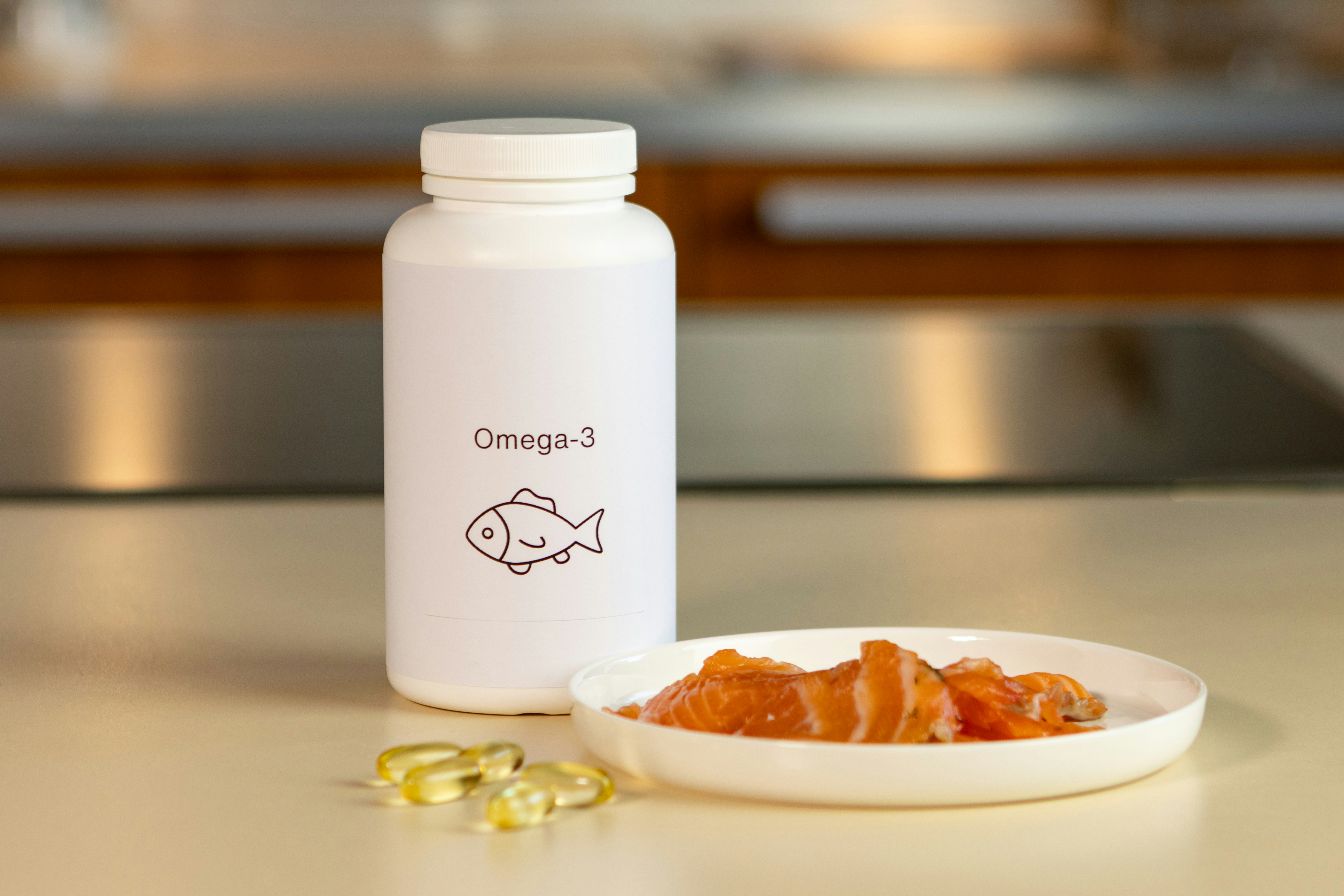
Fatty fish, such as salmon, mackerel, and sardines, are well-known for their omega-3 fatty acids, which promote heart health. These healthy fats have been shown to lower triglycerides and consequently improve overall cholesterol profiles. Regularly incorporating fatty fish into meals, ideally two to three times per week, can enhance the body’s lipid management.
Additionally, fruits rich in soluble fiber, such as apples, pears, and citrus fruits, can play a vital role in cholesterol reduction. Soluble fiber slows digestion, helping to decrease the absorption of sugar and fat. To integrate these foods effectively into everyday diets, individuals can prepare oatmeal for breakfast, enjoy nuts as snacks, incorporate fatty fish into lunch or dinner, and include fruits in various meals throughout the day. By adopting these dietary changes, one can actively participate in lowering their cholesterol levels while enjoying a varied and nutritious diet.
Herbal Supplements and Remedies for Cholesterol Management
Managing high cholesterol levels effectively often involves lifestyle modifications and dietary changes, but incorporating herbal supplements can enhance these efforts. Several natural herbs and remedies have been recognized for their potential to assist in cholesterol management, promoting overall heart health. Among these, garlic, artichoke extract, and psyllium husk have gained significant attention due to their beneficial properties.
Garlic has long been heralded for its cardiovascular benefits. Studies suggest that consuming garlic supplements can lead to a reduction in total cholesterol and low-density lipoprotein (LDL) levels. The typical recommended dose ranges from 600 to 1,200 mg of garlic extract daily. However, individuals should consult healthcare professionals prior to starting any new supplement, particularly if they are on medications, as garlic can interact with blood thinners and other drugs.
Another notable supplement is artichoke extract, which contains compounds that help inhibit cholesterol synthesis in the liver and enhance its excretion. Research supports the efficacy of artichoke extract in promoting healthy cholesterol levels, often suggesting a standard dosage of about 1,200 mg daily. While artichoke is generally well-tolerated, it may cause mild gastrointestinal issues in some individuals.
Psyllium husk, a soluble fiber derived from the seeds of the Plantago ovata plant, is also beneficial in managing high cholesterol. Regular consumption can help lower LDL cholesterol by promoting the excretion of bile acids, leading to a reduction in cholesterol absorption. For best results, a daily intake of 5 to 10 grams of psyllium husk is recommended. Although generally safe, excessive use may lead to digestive discomfort.
These herbal supplements can often be found at health food stores, pharmacies, or online retailers. As with any supplementation, it is crucial to approach herbal remedies with informed caution and professional guidance to ensure safety and efficacy in managing high cholesterol levels.
Lifestyle Changes for Optimal Cholesterol Management
Managing high cholesterol can be effectively achieved through a combination of natural products and significant lifestyle changes. One of the most impactful adjustments individuals can make is to incorporate regular physical activity into their daily routine. Engaging in at least 150 minutes of moderate aerobic exercise each week can help raise high-density lipoprotein (HDL) cholesterol, often referred to as “good” cholesterol, while simultaneously lowering low-density lipoprotein (LDL) cholesterol, or “bad” cholesterol. This can include activities such as walking, cycling, swimming, or any form of exercise that raises the heart rate.
Alongside physical activity, weight management plays a crucial role in cholesterol health. Even a modest weight loss of 5 to 10% can significantly improve cholesterol levels. It is beneficial to adopt a balanced diet that emphasizes whole foods, including fruits, vegetables, whole grains, and lean proteins while minimizing the intake of unhealthy fats and refined sugars. Saturated fats and trans fats, commonly found in processed foods, should be limited, as they can contribute to elevating LDL cholesterol levels. Instead, replacing these fats with healthier options such as avocados, nuts, and olive oil can promote better heart health.
Creating a comprehensive plan for optimal cholesterol management often includes setting realistic goals for dietary and lifestyle changes. Meal planning can be a crucial aspect, allowing individuals to make healthier choices and reduce impulsive eating. Incorporating foods rich in omega-3 fatty acids, fiber, and antioxidants is beneficial for lowering cholesterol. Additionally, managing stress through practices such as yoga or meditation can further contribute to maintaining healthy cholesterol levels. By actively engaging in these lifestyle changes, individuals can enhance their efforts in managing cholesterol more effectively and naturally.
Meet me in the comments with your thoughts and suggestions.
