

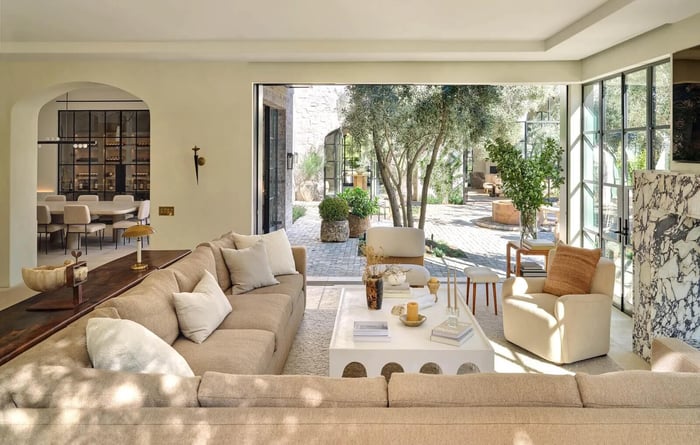
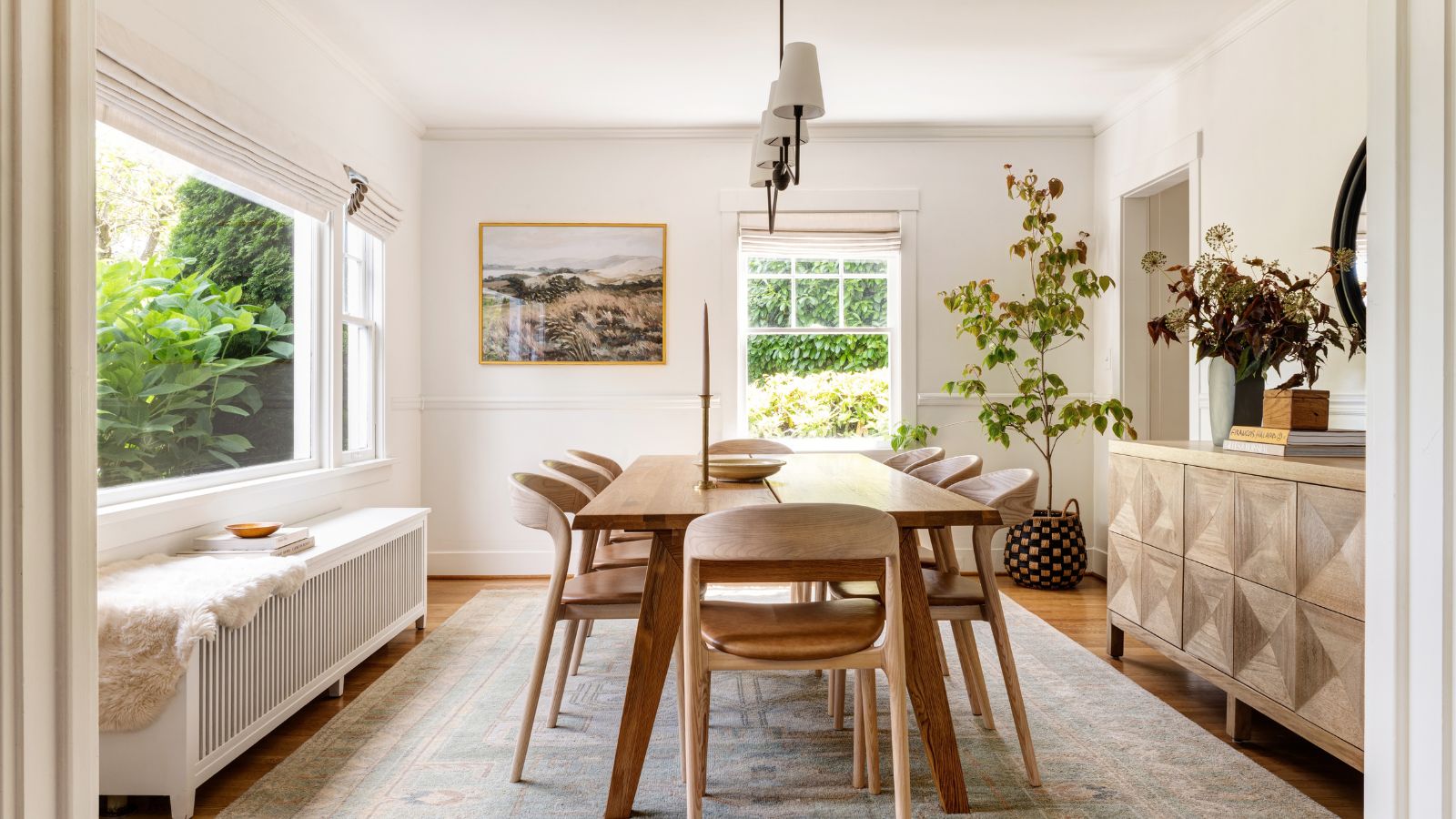
Most people think quiet luxury is about how a home looks.
Neutral colors. Expensive materials. Minimal decor.
And while those things matter…
They are not what make a home feel authentic.
In fact, one of the biggest criticisms of quiet luxury right now is that it can feel too perfect almost like a showroom instead of a real space.
So the real question is not:
“How do I make my home look expensive?”
It is:
“How do I make my home feel like it belongs to me?”
The Shift Most People Miss
Quiet luxury started as a reaction.
It moved away from logos, excess, and obvious displays of wealth…
and replaced them with restraint, quality, and simplicity.
But somewhere along the way, it became formulaic.
Same tones.
Same furniture.
Same “effortless” look.
And that is where it starts to fail.
Because true luxury is not about copying a look.
It is about building an environment that reflects how you actually live.
Why Some Homes Feel Instantly Better Than Others
This is where psychology comes in.
Your brain makes rapid judgments about a space within seconds.
Not slowly. Not logically.
Quickly.
Designers and behavioral researchers both point to the same idea:
People respond to coherence, material quality, and sensory comfort almost instantly.
This connects closely to what Malcolm Gladwell describes as thin slicing—our ability to form impressions based on very little information.
When you walk into a room, you are not analyzing it piece by piece.
You are feeling it all at once.
That means:
- clutter feels chaotic immediately
- harsh lighting feels uncomfortable immediately
- cheap materials feel off… immediately
And the opposite is also true.
Start With What You Actually Touch
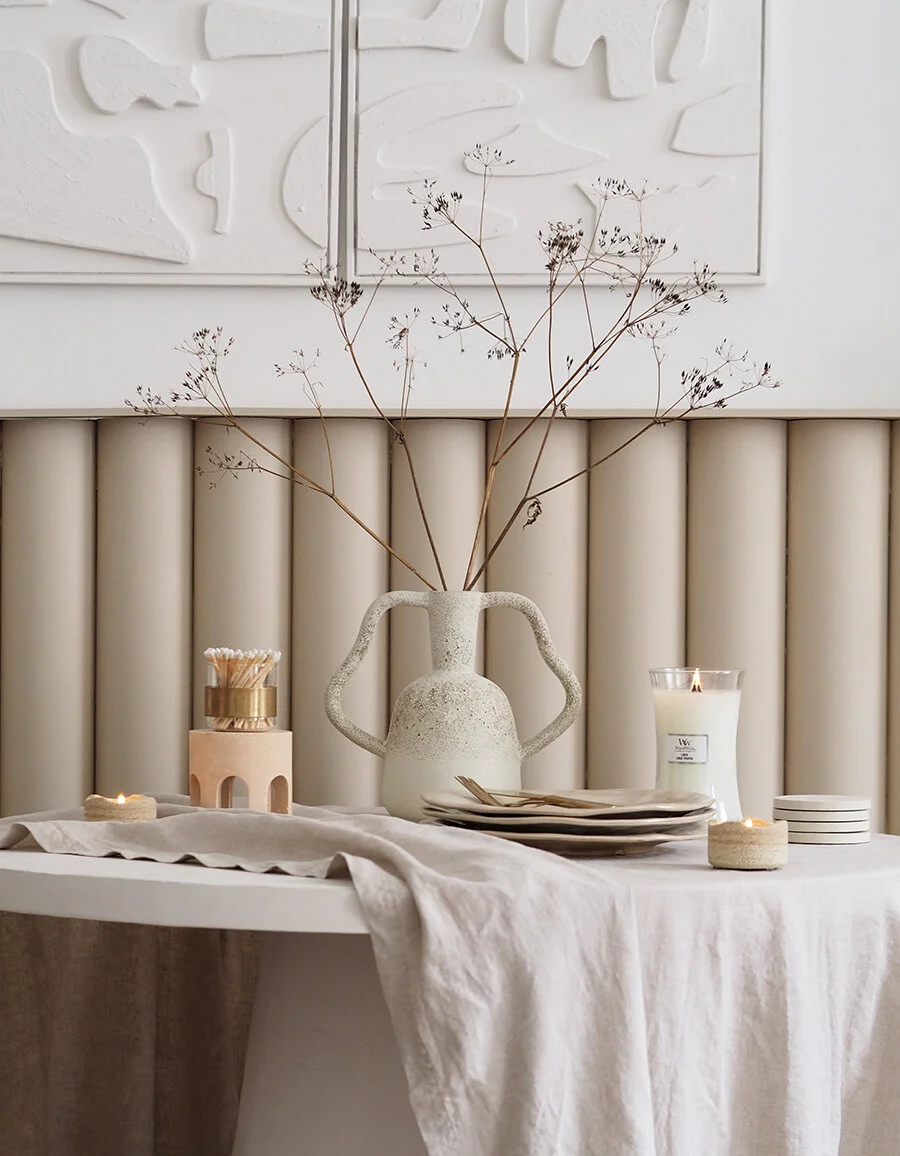
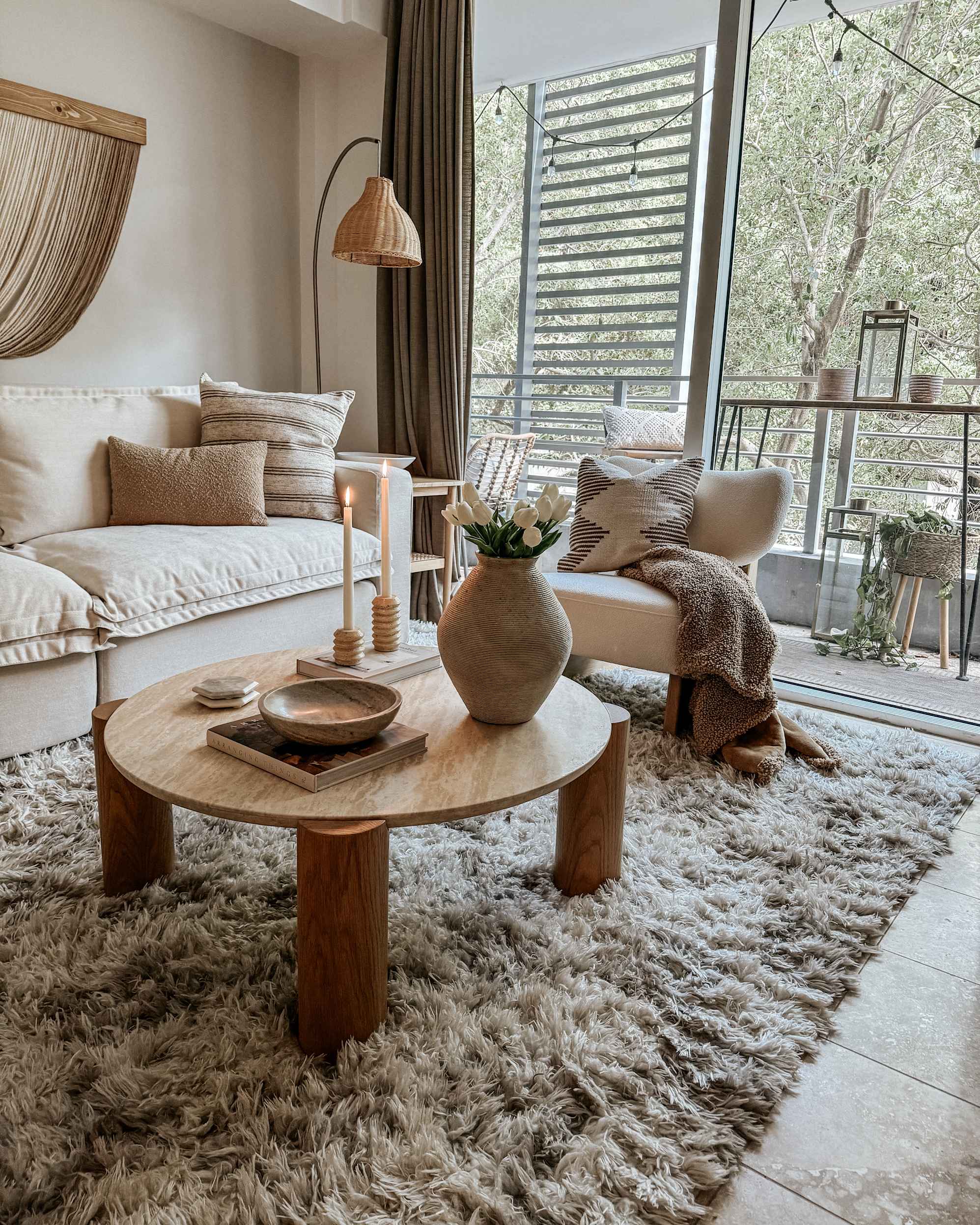
One of the most overlooked principles of a quiet luxury home:
It is not built around what you see first.
It is built around what you interact with daily.
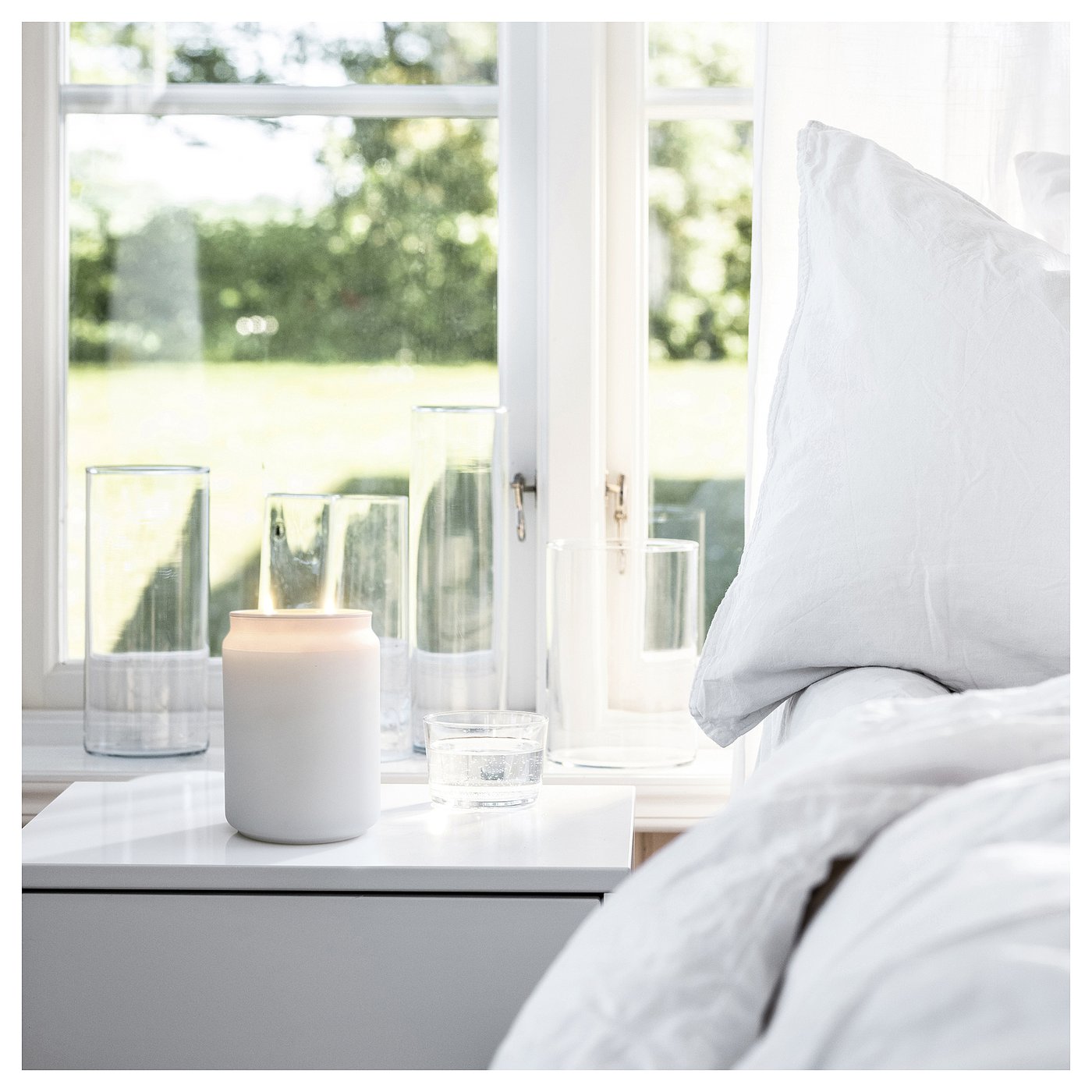
Surfaces matter more than statement pieces.
The table you use every morning.
The glass you drink from.
The texture of your bedding.
Design experts consistently emphasize that materials like linen, wood, stone, and glass elevate a space because they age well and feel natural over time.
That “feeling” is not imaginary.
It is sensory.
The Power Of Using Less (But Better)
There is a reason minimal spaces feel calm.
It is not just aesthetic.
It is cognitive.
Research and design principles both show that too many visual inputs create mental fatigue.
This aligns with the idea from Blink:
Too much information can actually make decisions—and experiences—worse.
In your home, that translates to:
- too many objects = visual noise
- too many colors = mental distraction
- too many styles = lack of clarity
A quiet luxury home edits aggressively.
Not to look empty…
But to let each piece matter.
Why “Perfect” Homes Feel Off

Here is something most people will not admit:
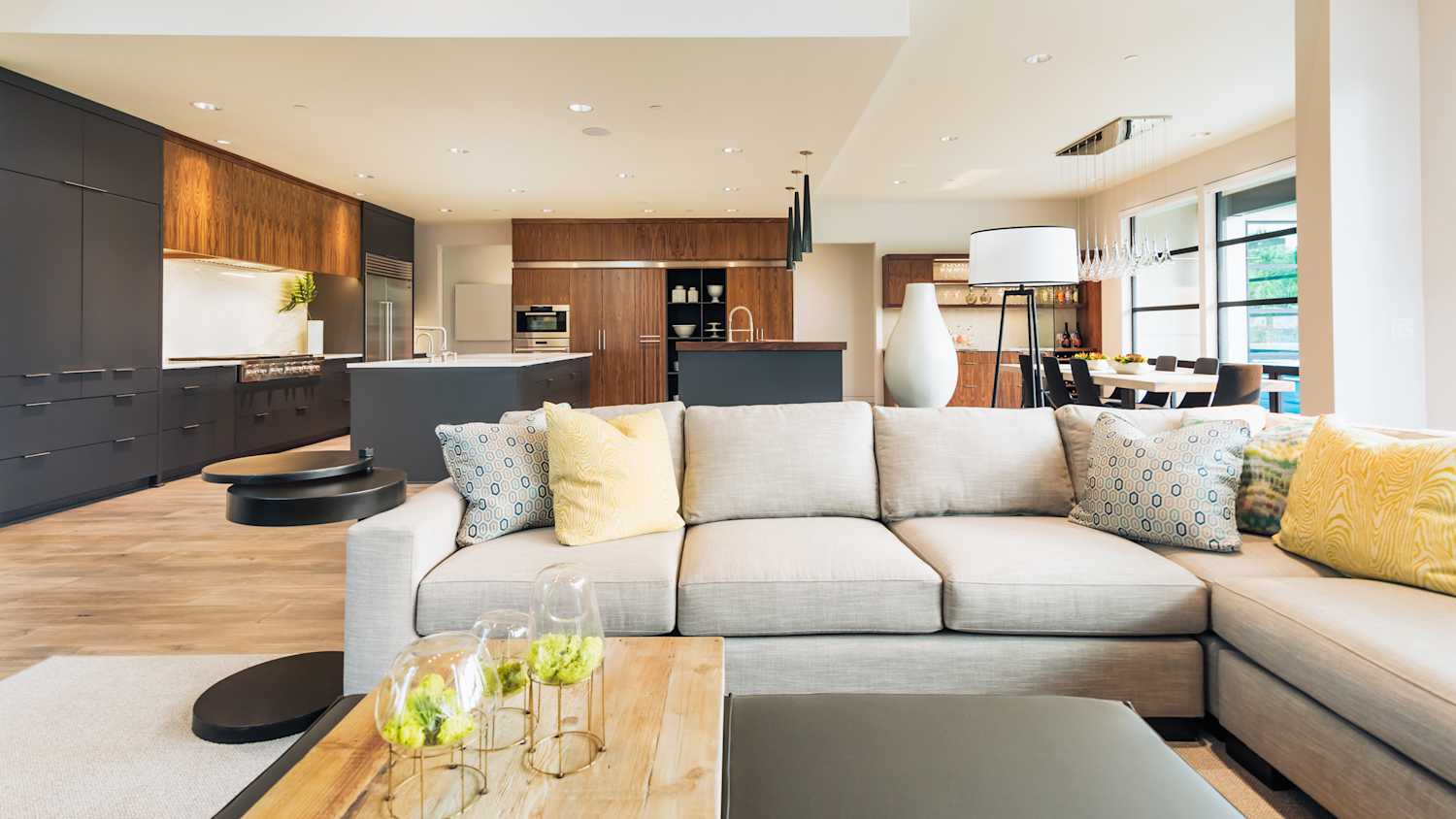
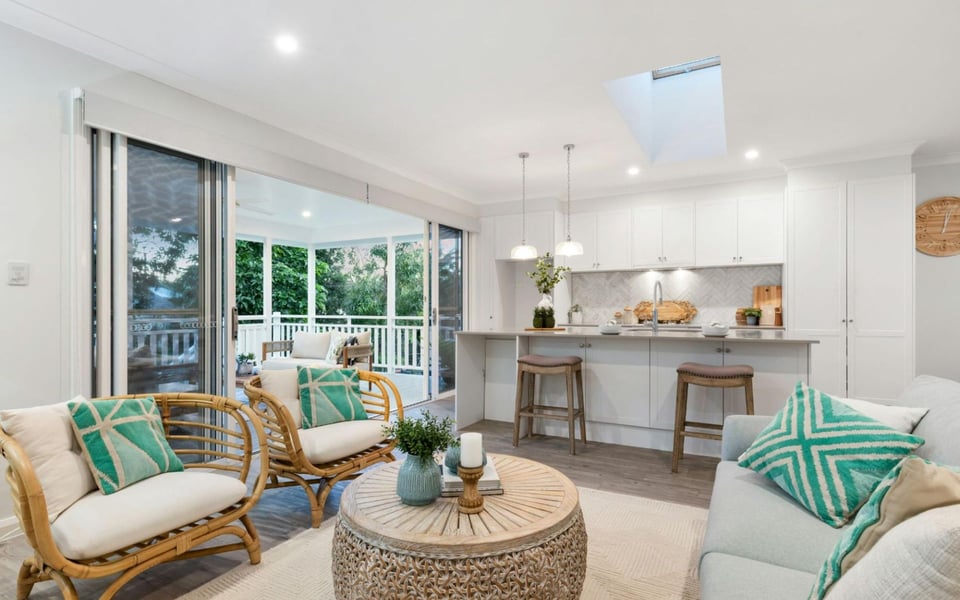
A perfectly styled home often feels… forgettable.
Recent design conversations are shifting toward what some call “found luxury”—spaces that feel layered, collected, and personal instead of overly curated.
Because authenticity comes from:
- history
- variation
- imperfection
A home that looks like it was completed in one shopping trip rarely feels real.
Build A Material Story Instead Of A Color Scheme
Most people start with color.
But high-end interiors often start with materials first.
Why?
Because materials:
- create depth
- reflect light differently
- influence how a space feels physically
Quiet luxury spaces typically rely on:
- linen
- wool
- natural wood
- stone
- metal accents
Color becomes secondary.
In fact, many quiet luxury interiors use neutral palettes specifically to let texture do the work.
Light Is The Detail That Changes Everything
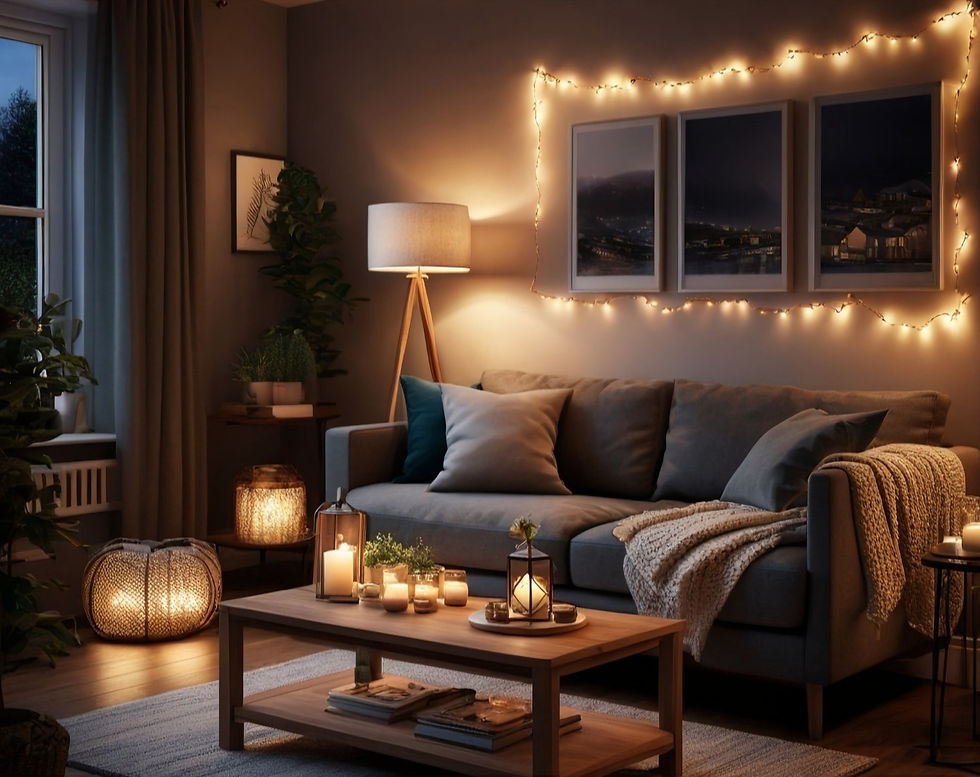


Lighting is one of the fastest ways to change how expensive a space feels.
And yet, it is usually overlooked.
Most homes rely on overhead lighting.
But layered lighting—lamps, candles, warm tones—creates:
- depth
- softness
- atmosphere
Designers consistently recommend warmer light (around 2700–3000K) because it feels more natural and calming.
This is not just aesthetic.
It directly affects how your body responds to a space.
The Real Secret: Your Home Should Evolve
This is where most people get stuck.
They try to “finish” their home.
But the most authentic spaces are never finished.
They are built slowly.
Collected over time.
Adjusted as your life changes.
That is what makes them feel real.
Not expensive.
Not perfect.
Just… lived in.
A quiet luxury home is not about having less.
It is about having the right things, in the right place, for the right reasons.
Because the homes that feel the most luxurious are not the ones that look the most styled.
They are the ones that feel the most true.
Does your home feel like it reflects who you are—or does it feel like something you’re trying to maintain.
