A beautiful home doesn’t need to announce itself. The most luxurious spaces feel calm, intentional, and effortless. Quiet luxury is less about what you add—and more about what you choose to keep. If your space feels slightly “off,” this approach might be exactly what brings it together.
What Is Quiet Luxury Home Styling?
Think of it like a perfectly tailored outfit. Nothing is loud, but everything fits—and that’s what makes it stand out.
Instead of chasing what’s popular, this style leans into what lasts.
Why Quiet Luxury Feels So Elevated
Creates a calm, grounded space
When your home isn’t visually busy, your mind can settle. It’s the difference between noise and silence.
Focuses on quality over quantity
A single well-made chair will always feel better than three trendy ones.
Ages well over time
Trends fade. Good design doesn’t.
Feels personal, not performative
Quiet luxury isn’t about impressing others. It’s about creating a space that feels right to you.
Core Principles of Quiet Luxury Design
Less, but better
Every item should earn its place. If it doesn’t add beauty or function, it’s likely adding noise.
Neutral, layered color palettes
Think warm whites, soft taupes, muted browns. These colors don’t compete—they blend.
Natural materials and textures
Wood, linen, stone, wool. These materials age beautifully and add depth without clutter.
Subtle contrast over bold statements
Instead of bright colors, use contrast in texture—like a soft throw on a structured sofa.
How to Start a Quiet Luxury Home
Edit before you add
This is the step most people skip. Remove anything that feels unnecessary. Your space needs room to breathe.
Choose a calm base palette
Start with neutral walls and large furniture pieces. This creates a foundation you can build on slowly.
Invest in foundational pieces
A good sofa, a solid table, quality bedding. These are the pieces you interact with daily—make them count.
Focus on flow and spacing
Luxury isn’t crowded. Leave space between items. Let each piece stand on its own.
Furniture Choices That Feel Expensive
Clean lines and timeless shapes
Avoid overly trendy silhouettes. Look for simple forms that won’t feel outdated next year.
Upholstery that looks soft and structured
A sofa should feel inviting but still hold its shape. Think tailored, not sloppy.
Low-profile, grounded silhouettes
Furniture that sits slightly lower creates a calm, anchored feeling in the room.
Styling with Texture Instead of Clutter

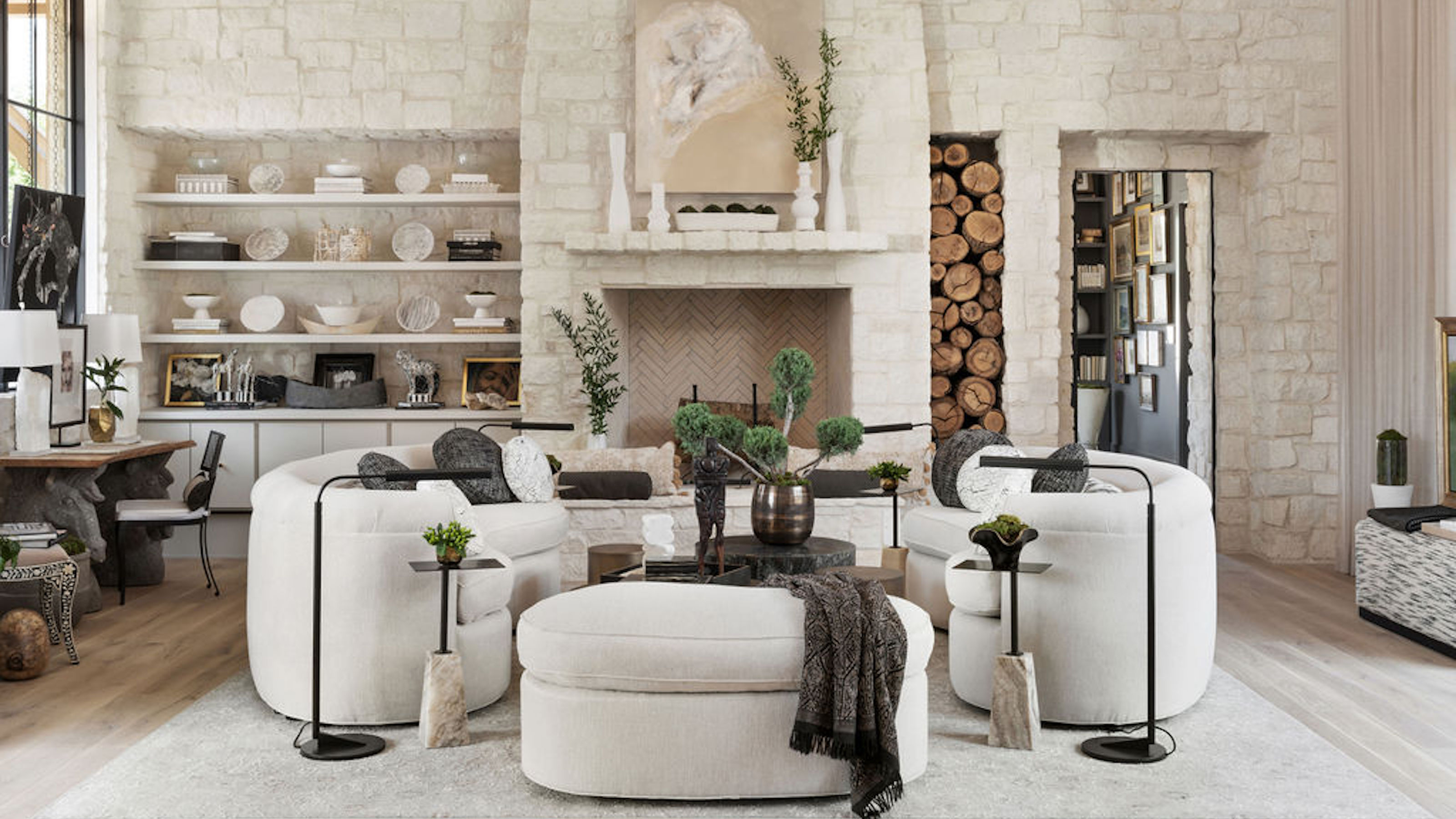

Linen, wool, and wood
These materials add richness without adding visual noise.
Layering without overcrowding
A throw blanket, a textured pillow, a woven rug—just enough to create depth.
Mixing matte and soft finishes
Glossy finishes can feel loud. Matte and soft textures feel grounded and calm.
Lighting That Elevates the Space

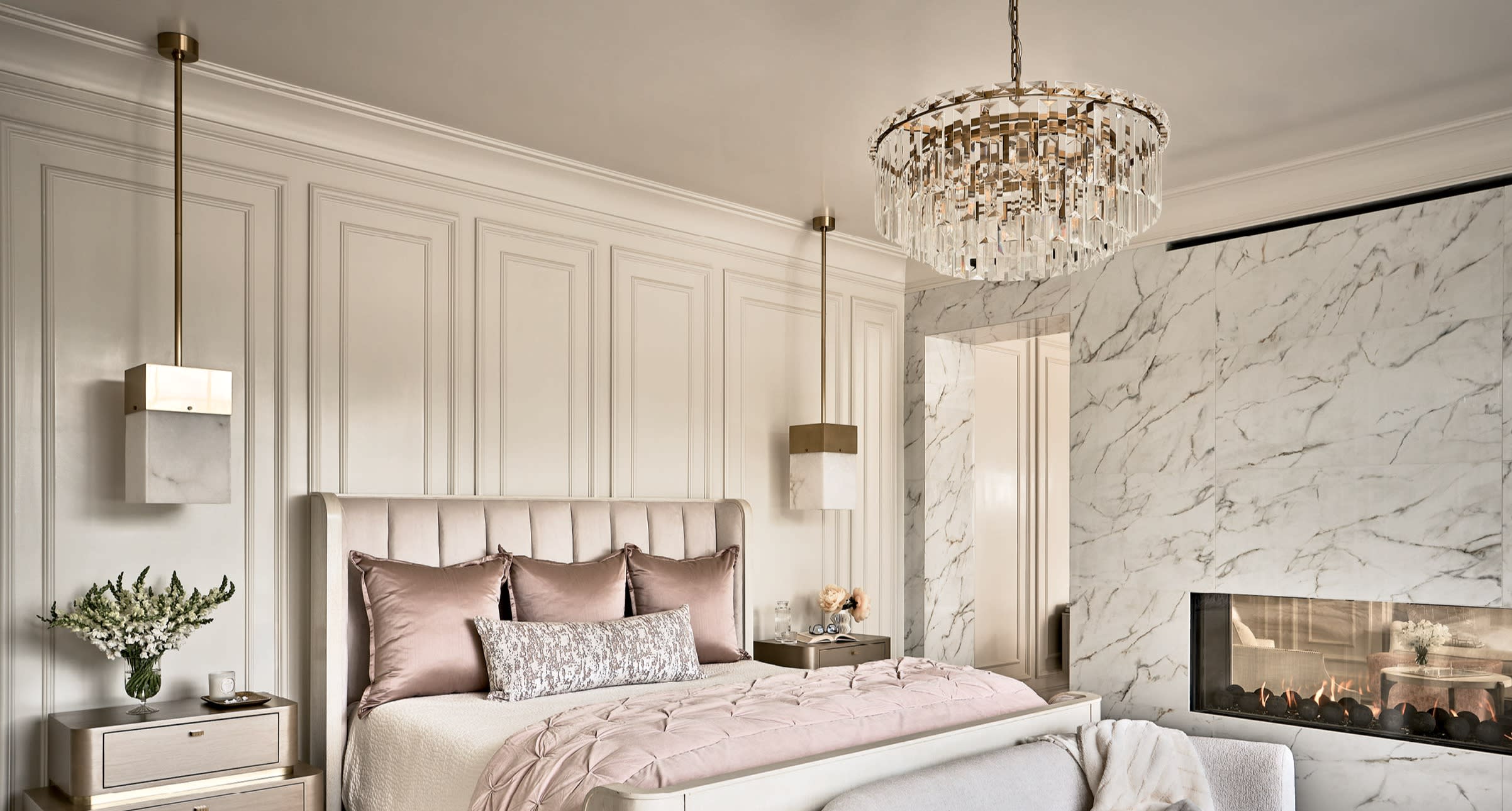

Warm, soft lighting over harsh brightness
Lighting should feel like a glow, not a spotlight.
Statement lamps, not statement chaos
One beautiful lamp is more powerful than multiple competing fixtures.
Layered lighting sources
Use a mix of table lamps, floor lamps, and ambient light to create depth.
Quiet Luxury Decor Details
Minimal but meaningful accessories
A few carefully chosen pieces will always feel more refined than shelves full of decor.
Books, ceramics, and organic shapes
These items add personality without overwhelming the space.
Art that feels calm and intentional
Choose pieces that make you pause—not ones that demand attention.
Common Mistakes to Avoid
Over-decorating
More is not better. It’s just more.
Following trends too closely
Trendy spaces often feel dated quickly.
Ignoring quality for price
Cheap pieces often look… cheap. Even in small doses.
Making everything match perfectly
A little variation adds depth. Too much matching feels flat.
How to Make Any Home Feel Luxurious
Declutter strategically
Start with surfaces. Clear space instantly creates a sense of calm.
Upgrade small details
Swap out hardware, upgrade your bedding, replace worn items.
Create visual breathing room
Empty space isn’t wasted—it’s what makes everything else stand out.
Frequently Asked Questions
What colors define quiet luxury?
Neutral tones like beige, cream, taupe, and soft gray.
Can you achieve this style on a budget?
Yes. Focus on fewer, better pieces and edit what you already own.
How do I make a small space feel luxurious?
Use light colors, keep surfaces clear, and invest in good lighting.
Is quiet luxury the same as minimalism?
Not exactly. It’s warmer and more layered, but still intentional.
What materials look the most expensive?
Natural materials—wood, linen, stone, and wool.
How often should I update my decor?
Rarely. Quiet luxury is about timelessness, not constant change.
If you step back and look at your space right now, ask yourself one simple question:
Does this feel calm—or just full?
That answer will tell you exactly where to start.
